Search Is Changing… Again. <Insert eyeroll here>
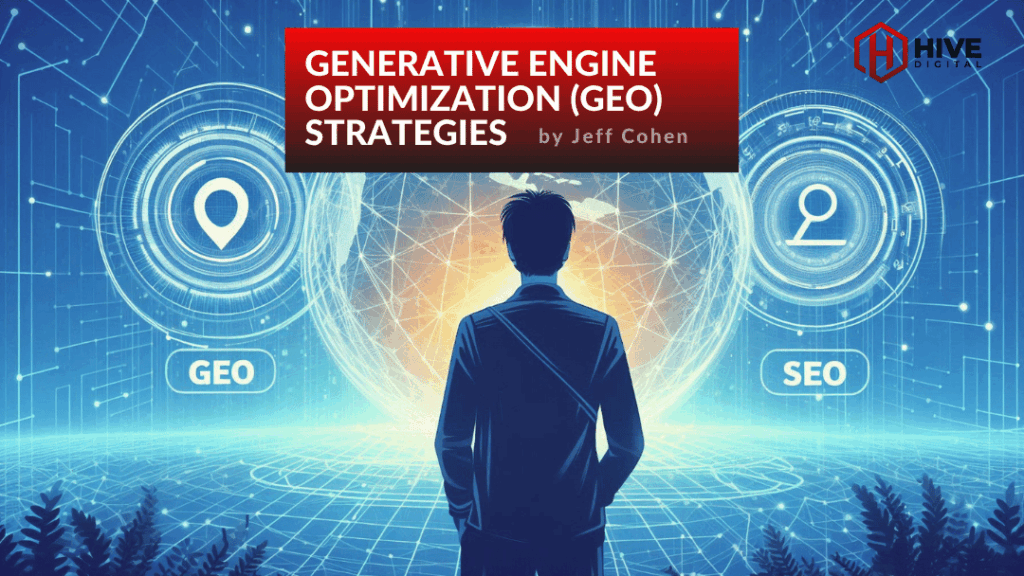
If you’ve been in digital marketing for a while, you know search never sits still. We’ve optimized for mobile-first, AMP, adapted to voice queries, and navigated the rise of featured snippets and zero-click search. These days it feels like we have an alphabet soup of new acronyms popping up each month. And today’s article is brought to you by the letters G. E. O… Generative Engine Optimization.
Simply put: GEO is the practice of making your content discoverable, quotable, and trustworthy enough to be included in answers generated by AI platforms like Google’s AI Overviews, Perplexity, and ChatGPT. Instead of fighting for the blue link, your goal is to be the source that AI tools pull into their synthesized responses.
And while GEO isn’t a replacement for SEO, it’s quickly becoming the next layer of digital visibility.
What Exactly Is GEO?
Traditional SEO goals almost feel simple these days. Just create compelling content that Search Engines would want to show in their search results. GEO on the other hand, is about being cited in the answers themselves.
That shift matters because users are changing how they search. Increasingly, they’re asking questions in conversational form and relying on AI summaries to guide decisions, whether that’s finding a local service, researching a B2B vendor, or comparing products.
If you’re not part of the AI-generated answer, you’re likely not in the conversation.
The Principles Behind GEO
The good news: the foundations of SEO still apply. If you’ve built strong, authoritative, user-first content, you’re already halfway there. But GEO raises the bar in a few key ways:
Stay on the Cutting Edge with AI Services
AI is changing the way people search, learn, and buy... Hive is ready for the digital evolution. Our team of expert AI engineers can help you stay visible in new search spaces like generative search engines and AI overviews. We can also help empower your business to use AI solutions for enhanced marketing efficiency and impact.
Discover Hive AI Services- Freshness matters. AI tools favor content that’s updated and time-relevant.
- Semantic depth. It’s not about single keywords, it’s about building connected clusters of content that show subject authority.
- Answer intent. Structure content around real questions and clear takeaways. AI doesn’t want fluff; it wants concise, trustworthy answers.
- Authority signals. Cited data, expert voices, and structured markup (like FAQ or HowTo schema) make your content more “machine-readable” and credible.
- Clarity over cleverness. Simple, unambiguous language gets surfaced more often than jargon-heavy or overly metaphorical writing.
GEO vs. SEO vs. AEO: Clearing Up the Confusion
What a difference one little letter can make. “Generative Engine Optimization” sounds new, but it doesn’t exist in a vacuum. GEO builds on both traditional SEO and AEO (Answer Engine Optimization), the work of winning featured snippets, voice answers, and other “position zero” opportunities.
| Aspect | Traditional SEO | Answer Engine Optimization (AEO) | Generative Engine Optimization (GEO) |
| Primary Goal | Rank in SERPs | Win direct answers (snippets, voice, knowledge panels) | Be cited in AI-generated responses |
| Core Output | List of blue links | Concise, structured answers on results page | Synthesized, conversational answers across AI tools |
| Extractability | Helpful but not critical | Crucial, content must be easily pulled into snippets | Essential, LLMs need clear, structured, and context-rich content they can parse reliably |
| Zero-Click Impact | Lower (users still click links) | Higher (many queries answered directly) | Very high (AI delivers the full answer in-platform) |
| Ranking / Selection Signals | Keywords, backlinks, technical health, UX | Schema, structured Q&A, snippet-friendly formatting | Authority, freshness, context depth, factual grounding |
| Metrics That Matter | Rankings, organic traffic, CTR | Featured snippet wins, voice query visibility | Citation frequency, branded search lift, AI referral traffic |
| Content Approach | Keyword + intent-driven pages | Short, direct, structured answers | Authoritative, quotable, semantic-rich content hubs |
Think of it like a progression: SEO gets you seen > AEO gets you selected > GEO gets you cited and trusted in the AI era. And just remember two key aspects of any AI/LLM optimization efforts:
1. Extractability Is Key for LLMs
LLMs don’t actually comprehend meaning like a human, they work off statistical patterns. So the easier we make it for them to extract content (clear headings, direct Q&A formatting, schema, summaries, consistent terminology), the more likely our words get “lifted” and cited correctly. That’s why formatting and semantic clarity matter even more in AEO/GEO than in traditional SEO.
2. Zero-Clicks Aren’t a Bad Thing When it Comes to AI Results
- SEO → Still drives the majority of click-based traffic.
- AEO → Often produces zero-click answers (featured snippets, voice replies) where users get the info without leaving Google.
- GEO → Expands that zero-click reality into AI assistants and Overviews where the experience happens without the site visit.
Why GEO Matters for Different Business Models
- B2B & Enterprise: GEO helps position your expertise in high-consideration cycles. Think research-driven articles, original data, and industry leadership content that AI trusts enough to cite.
- E-commerce: Detailed, structured product data is key. Schema markup and clear attributes (size, materials, ratings) increase your chances of product recommendations in AI answers.
- Publishers & Informational Sites: Direct, quotable answers win. Lists, FAQs, and authoritative statistics are more likely to get pulled into AI summaries.
Measuring Success in a GEO World
Here’s where things are going to feel awkward. Clicks still matter, but they aren’t the whole picture anymore, which means all those great reports, and dashboards, and KPIs you (and your boss) have been watching and putting so much stock in are going to look a lot different.
With GEO, the measure of success can be quite different than a direct visit. You’ll also want to track things like:
- Citation frequency (how often your content shows up in AI responses).
- Branded search growth (a signal that people saw you in an AI overview and came looking for you directly).
- Referral traffic from AI platforms (like Perplexity).
- Self-reported attribution (simply asking new leads “How did you hear about us?”).
Think less about “winning the click” and more about “winning the mention.”
So, What Should You Do Next?
Here’s where to start:
- Audit your content for clarity, structure, and authority.
- Update technical elements like schema, Core Web Vitals, and accessibility.
- Prioritize authority-building, original research, expert commentary, and trusted citations.
- Diversify your footprint. Be present on social, video, reviews, and forums. AI models pull from the whole ecosystem, not just your website.
GEO In a Nutshell
GEO isn’t a shiny buzzword; it’s the natural next step in how people discover and trust information online. The goal hasn’t changed: understand your audience, anticipate their questions, and provide the best answers.
The only difference? Now your audience includes both people and machines. And if you’re not showing up in both, you’re leaving opportunities on the table.
Are you ready to put together a strategy to tackle GEO, AEO, and all the other EOs out there? Let Hive Digital help you make the most of AI and LLM search.